
Published: January 21, 2026
By: Kathryn Jenkinson
As the UK logistics industry settles into 2026, one word continues to dominate: resilience. After years of unpredictable demand, tight margins, supply chain disruptions, and mounting compliance pressures, the focus has shifted to reinforcing the fundamentals of service continuity, risk management and operational agility. For independent logistics providers like us, these are not aspirational goals; they are baseline KPIs. Those who build their strategy around these deliverables will be the ones to create real opportunities this year.
The Rise of Value-Driven Transport Partnerships
The shift from cost-driven procurement to value-driven partnerships looks set to continue in 2026. Although cost is important to customers, they also value reliability, good communication and continuity. Collaborative transport partners who can offer service stability and regular shipment updates are now considered a worthwhile investment. This level of personal service and operational agility is something larger third-party logistics providers often struggle to deliver.
Addressing the Driver Shortage
Driver shortages remain one of the industry’s most persistent challenges. At Williams, we are fortunate to have a loyal and experienced driver workforce, although some retirements are expected this year. Over the past 12 months, we have been actively recruiting new drivers, and we will continue this approach in line with current demand. To attract and retain drivers, our focus is on competitive remuneration, fair workloads, clear communication, and opportunities for personal development.
Modern Vehicles, Measurable Gains
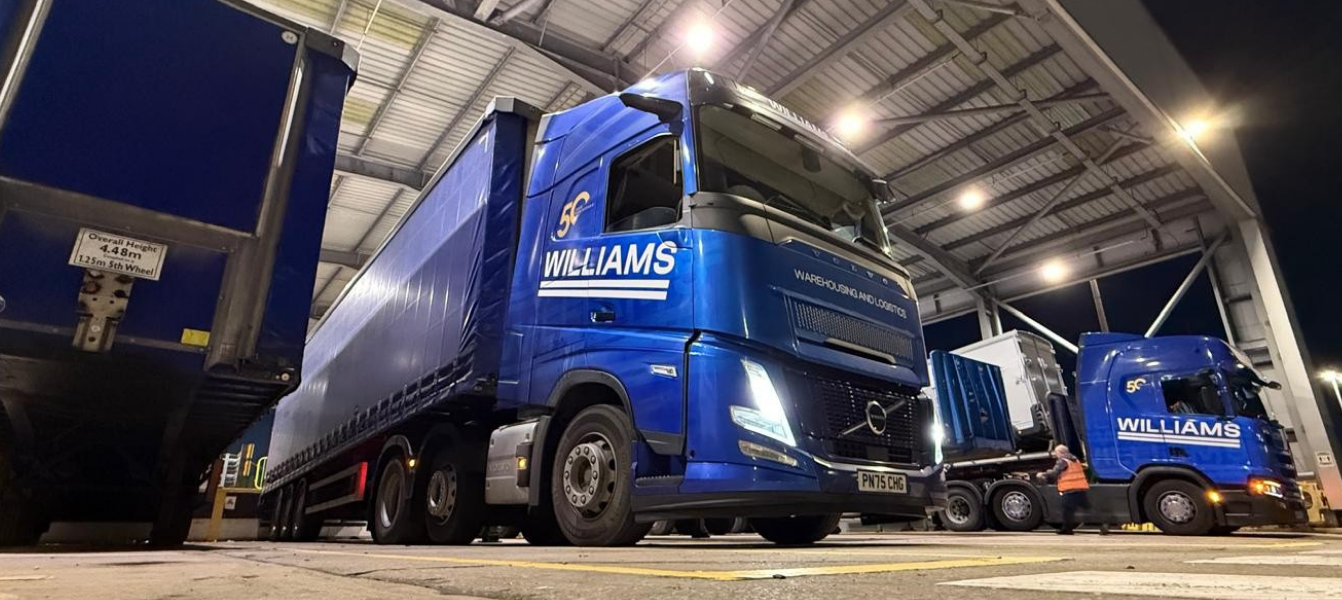
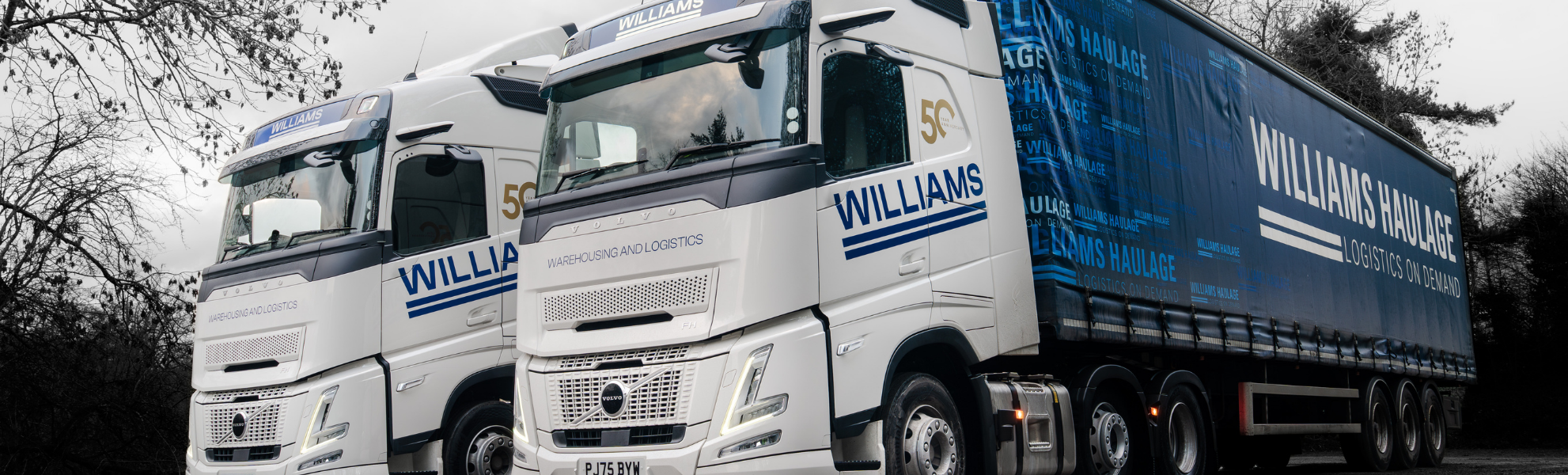
The industry is being strengthened in many ways by the adoption of new technologies and advanced, efficient vehicles. The Volvo FH Aero, which has been added to our fleet, is a prime example of this. Its aerodynamic design, I-Shift transmission and integrated safety systems all contribute to smoother journeys, lower fuel consumption and more consistent driver performance. These features are so effective that we have invested in eleven of them! Embracing change and moving with the times helps us manage risks, maintain reliability and optimise service levels.
A More Practical Approach to Green Logistics
Although sustainability remains a consistent theme, it is finally starting to be grounded in reality. The government has started the year by reducing the cost of electric vehicles as part of a £318 million green freight plan. While the industry has welcomed the grant, questions remain about long-term certainty and national infrastructure.
Customers are increasingly choosing transport partners who can support their environmental goals. Operators can demonstrate their green credentials without significant investment by committing to smarter routing, driver training and improved driving practices that cut emissions.
The transportation industry continues to evolve and modernise, and operators of all sizes have a role to play. Logistics this year looks set to be defined by strong partnerships, a willingness to embrace change, and a clear focus on people. Independent logistics providers like Williams that align with these priorities will not only adapt to today’s operating conditions but also help strengthen the future of logistics beyond 2026.